
Introduction
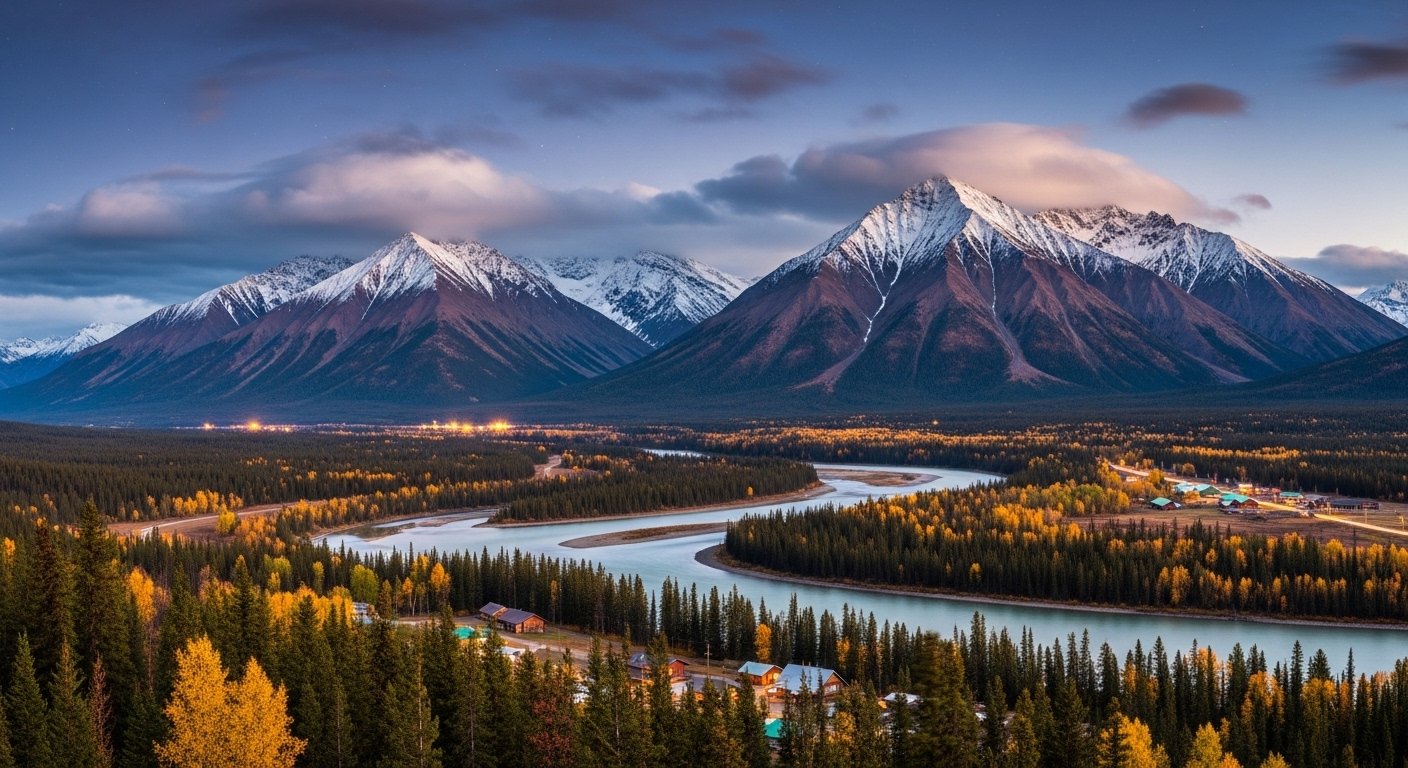
Vast, wild, and breathtakingly beautiful, Yukon is one of Canada’s most spectacular and least populated regions. Located in the far northwest of the country, bordered by Alaska and the Northwest Territories, Yukon is a land of towering mountains, ancient glaciers, pristine rivers, and endless wilderness. It is a destination for adventurers, nature lovers, and those seeking an authentic northern experience.
Yukon’s history is deeply rooted in Indigenous cultures, particularly the First Nations communities that have lived here for thousands of years. Their traditions, art, and stewardship of the land continue to shape the territory’s identity. Later, the Klondike Gold Rush of the late 1890s brought international attention to Yukon, transforming it almost overnight as prospectors flooded into the region in search of fortune.
Today, Yukon balances its historic legacy with outdoor adventure and environmental preservation. The capital city, Whitehorse, serves as a welcoming gateway to the territory’s dramatic landscapes. Though small in population, Whitehorse offers museums, restaurants, and cultural events that reflect Yukon’s creative and resilient spirit.
The natural scenery here is extraordinary. The territory is home to Canada’s highest peak, Mount Logan, and vast protected areas filled with wildlife such as moose, bears, caribou, and Dall sheep. Rivers like the Yukon River wind through valleys that seem untouched by time.
Yukon’s seasons are dramatic and unforgettable. Summer brings long daylight hours under the Midnight Sun, ideal for hiking and exploring. Autumn paints tundra and forests in brilliant reds and golds. Winter transforms the land into a snowy wonderland illuminated by the mesmerizing Northern Lights. Spring signals renewal, with wildlife emerging and rivers flowing again.
Traveling through Yukon feels like stepping into a frontier story — where landscapes dominate, silence is profound, and the connection to nature is powerful. Whether you seek gold rush history, mountain adventure, or the magical glow of the aurora, Yukon promises an unforgettable journey into Canada’s wild north.
Best Places to Visit in Yukon
1. Kluane National Park and Reserve
One of Yukon’s crown jewels is Kluane National Park and Reserve.
This UNESCO World Heritage Site is home to vast ice fields, rugged mountains, and the towering Mount Logan. The park protects one of the largest non-polar icefields in the world, creating dramatic alpine scenery.
Visitors can hike scenic trails, take flightseeing tours over glaciers, or paddle along pristine lakes. Wildlife sightings are common, including grizzly bears, mountain goats, and eagles.
Kluane offers a true wilderness experience — remote, powerful, and awe-inspiring.
2. Dawson City
Step back into Gold Rush history in Dawson City.
Once the epicenter of the Klondike Gold Rush, Dawson City preserves its frontier charm with wooden boardwalks and restored heritage buildings. Visitors can try gold panning, tour historic sites, and learn about the dramatic rush that reshaped Yukon.
The city also hosts cultural festivals and art events, blending history with creativity. Nearby, the Klondike River and surrounding hills provide scenic exploration opportunities.
Dawson City captures the adventurous spirit that defines Yukon’s past.
3. Whitehorse
The territorial capital, Whitehorse, offers both comfort and adventure.
Situated along the Yukon River, Whitehorse provides access to hiking trails, museums, and vibrant local culture. Attractions include the Yukon Beringia Interpretive Centre and the SS Klondike National Historic Site.
Whitehorse serves as the main transportation hub for exploring the territory, yet it maintains a friendly, small-town atmosphere.
It’s the perfect base for discovering Yukon’s wilderness.
4. Tombstone Territorial Park
For dramatic northern scenery, visit Tombstone Territorial Park.
Known for its jagged peaks and tundra landscapes, this park offers challenging hikes and stunning panoramic views. The Dempster Highway provides access to this remote and photogenic region.
Autumn is especially beautiful here, when the tundra turns vibrant red and orange. The park is also an excellent location for viewing the Northern Lights.
Tombstone embodies Yukon’s wild and rugged beauty.
Conclusion
Yukon is not merely a destination — it is an experience.
It is a land defined by vastness, silence, and raw natural power. In Yukon, mountains rise higher, skies stretch wider, and rivers run freer than almost anywhere else in Canada.
From the icefields of Kluane National Park to the historic streets of Dawson City, the territory tells stories of endurance and exploration. The Klondike Gold Rush left behind more than relics — it left a legacy of determination and ambition that still echoes today.
Whitehorse provides a welcoming gateway, yet even there, wilderness is never far away. Step beyond the city limits and you quickly find yourself surrounded by untouched landscapes.
Tombstone Territorial Park reminds visitors of nature’s grandeur. Its dramatic peaks and tundra vistas inspire awe and humility.
But Yukon’s beauty is not limited to scenery.
It lives in its culture.
First Nations traditions remain central to the territory’s identity. Art, storytelling, and respect for the land are woven into everyday life. Visitors often find these cultural encounters among the most meaningful aspects of their journey.
Seasonal contrasts add to Yukon’s magic.
Summer’s Midnight Sun allows exploration deep into the evening.
Autumn’s colors transform valleys into living paintings.
Winter’s Northern Lights dance across frozen skies in brilliant greens and purples.
Spring brings renewal and the return of wildlife activity.
Wildlife encounters are unforgettable. Spotting a moose along a quiet road or hearing the distant call of a loon across a lake creates lasting memories.
Traveling through Yukon also changes perspective.
The scale of the landscape encourages reflection.
The quiet encourages mindfulness.
The remoteness encourages resilience.
There is freedom here — freedom to explore, to disconnect from modern noise, and to reconnect with nature.
Adventure opportunities are endless: hiking, canoeing, wildlife photography, dog sledding, snowshoeing, and glacier flights.
Yet Yukon is not only for thrill-seekers. It is equally suited for those who wish to slow down and simply absorb the beauty of wide horizons and pristine air.
In many ways, Yukon represents Canada’s northern soul.
Untamed.
Independent.
Enduring.
It invites travelers to step outside comfort zones and embrace the unknown.
Standing beneath the aurora borealis, watching light ripple across a dark Arctic sky, you feel something profound — a reminder of how vast and extraordinary the natural world truly is.
Yukon leaves an impression long after you depart.
It lingers in memory as open space and pure possibility.
It reminds you that adventure still exists in its rawest form.
For those willing to journey north, Yukon offers something rare in today’s world: true wilderness and authentic connection.
It is not crowded.
It is not hurried.
It is expansive and powerful.
Yukon is where history, culture, and nature converge in dramatic fashion.
And once you experience its wild beauty, part of you may always belong to the North. ❄️🌌